
 |
[Last Modified: ] |
Case
29
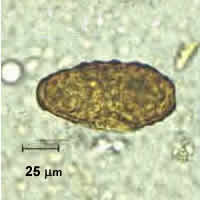
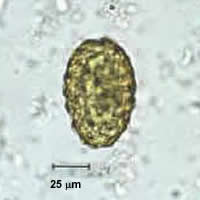
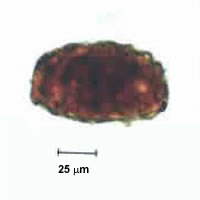
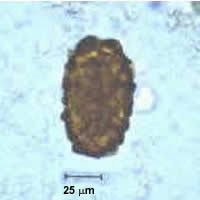
A 3-year-old girl was seen in a small rural clinic in the Southeastern United
States with complaints of abdominal pain and upset stomach. A
local laboratory performed a routine stool examination and observed the
objects shown in the images below. The laboratory suspected the
objects were artifacts. A portion of the stool concentrate was sent
to CDC's reference laboratory for confirmation that parasite cysts or
eggs were not present. What is your diagnosis? Based on what
criteria?
 |
 |
| A | B |
 |
 |
| C | D |
Click here for the answer to Case 29.
Case
30
Two sisters in their early twenties from Dallas, Texas, went on a ten-day ecotour in Costa Rica. They camped in a tent during most of the
trip. The sisters complained of being bitten by various insects
during the entire trip. Two months after returning from the excursion,
both women noted several small, ulcerated sores on their wrists and necks.
They went to a local dermatologist who examined their sores. The
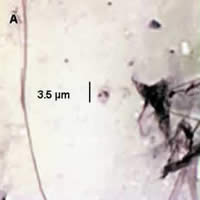
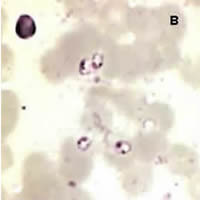
physician made touch-prep impression smears from sores of each patient’s
wrist by pressing a 1” × 5” glass slide against the sores. The images
below show impressions from each woman (Figures A and B,
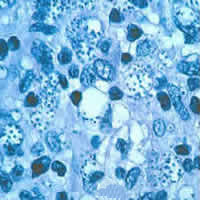
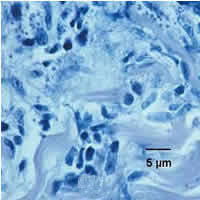
Giemsa stain). The physician also took a few small biopsies from
the base of the sores on each woman's wrists and neck. Some of the
tissue was sent to the pathology lab where it was sectioned and stained
with H & E (hematoxylin and eosin), see Figures C and D. The
remaining specimens were individually placed in sterile saline and then
refrigerated at 4°C. What is your diagnosis? Based on what criteria?
 |
 |
| A | B |
 |
 |
| C | D |
Click here for the answer to Case 30.
|
|||
|
|||
|
|||
|
|||
|

